

PBS Standards

A Story That Lacks a Woman's Voice

Email share
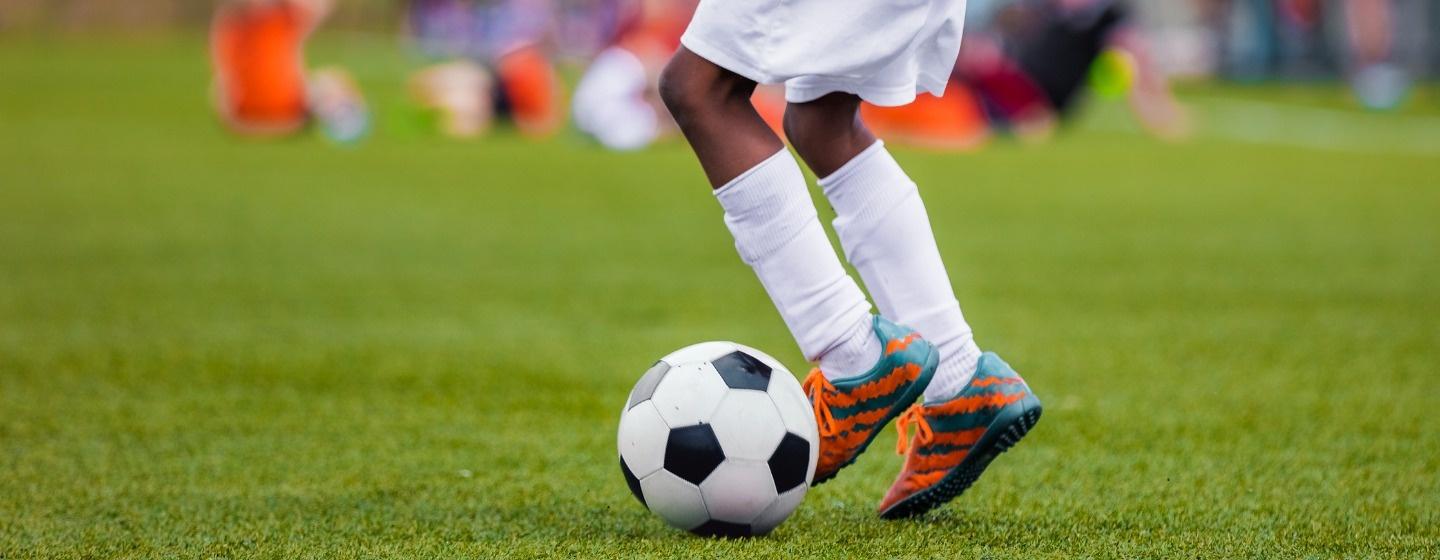
Child kicking a soccer ball

Did a reporter err in only quoting the male co-author of a book about soccer?


Here's the situation:

A male reporter preparing a lighthearted piece about why the British use the term “football” and Americans use “soccer” to refer to the same sport interviewed the co-authors of a book related to this subject. One of the book’s co-authors is a woman and the other is a man. 

During a 24-minute interview with the reporter, the man did most of the talking. In condensing the interview for a four-minute story, only the man’s quotes (which the reporter felt were the most relevant) made the cut. In addition, only the man was identified as the book’s author. 

While working on the piece, the reporter emailed the man and asked for the names of historians to add another perspective. The man sent the reporter the names of three historians, all men, one of whom was quoted in the story. The reporter’s male editor, who fact-checked the story, said he did not notice that the book had two authors. 

On social media, the female author described what happened as “my erasure.”

 

What do you think? Please answer the question below.

More to consider:
 

  • Go More In-Depth: To read more about this issue, see “Source Throws Yellow Card, Sees Gender Bias In Soccer Story,” from July 12, 2018 (NPR ombudsman).
     
  • Tracking Diversity: The editor of TheAtlantic.com, Adrienne LaFrance, has analyzed her own work for gender bias. She wrote that in 2015 “women accounted for just over 22 percent of the unique individuals I named or quoted in my work.” (“I Analyzed a Year of My Reporting for Gender Bias (Again),” from Feb. 17, 2016.) She explained that while it is important to serve the audience by finding the best qualified people, “why assume that the best source isn’t a woman? By substantially underrepresenting an entire gender, I’m missing out on all kinds of viewpoints, ideas, and experiences that might otherwise sharpen and enhance my reporting.”
     
  • Diversity Database: The Columbia Journalism Review notes that “the ranks of the American press continue to under-represent the racial, gender, class, and other forms of diversity found in its coverage areas. But there’s another way journalists are failing at diversity—in the sources and experts it calls upon to help the public understand and digest the news of the day.” (“You’re probably not quoting enough women. Let us help you,” from June 1, 2018.) To help remedy the problem, the Columbia Journalism Review has compiled a public database of “women, nonbinary, and people of color” media experts, which can be found here.

Editorial Principles

More Resources