

Should this filmmaker's footage be protected from disclosure in court by the 'reporter's privilege'?
Here's the Situation:
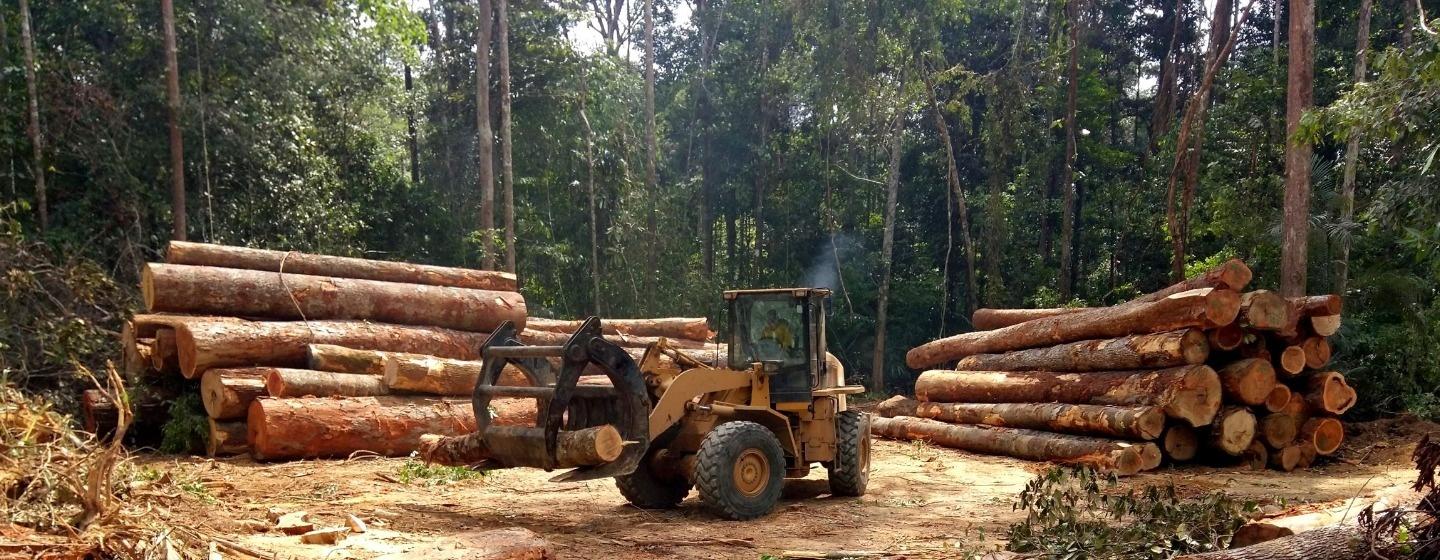
Award-winning producer Bert Burton created a documentary film about a lawsuit in South America over allegations of environmental damage from aggressive logging in the Amazon rainforest.
Burton was hired to make the film by the plaintiffs’ lead attorney for the purpose of telling their story. For two years, Burton filmed the events and people surrounding the litigation. He also was given considerable access to the plaintiffs’ lawyers, filming them while in the judge’s chambers.
Upon release, the film received critical acclaim for its detailed coverage of the trial and for depicting the environmental damage allegedly caused by the defendant—the American company Buzz Saw Inc.
While Burton insists that he retained complete editorial control over the film, he acknowledged removing one scene from the final version of the film—at the plaintiffs’ suggestion—that involved a plaintiff lawyer’s questionable interaction with the judge.
Later, the defense attorneys requested that Burton disclose the film’s outtake footage, arguing that it could show improper influence on the court by the plaintiffs. Burton refused, asserting that this footage should be protected by the “reporter’s privilege”—a right, grounded in the First Amendment, to not reveal sources or materials in court.